
Protein: The Underrated Powerhouse for Strength, Recovery, and Longevity
Protein is everywhere right now—and for good reason. Adequate protein intake is essential for building and maintaining muscle, supporting bone health, improving recovery, and promoting long-term longevity. Yet despite the growing attention, many adults still don’t consume enough protein to fully support their health and performance goals.
When people focus on improving their health, they often prioritize calories, carbs, or fats. But protein plays a central role in nearly every system in the body. It helps preserve lean muscle, supports metabolism, stabilizes appetite, and aids recovery from exercise and daily stress. Over time, these benefits directly impact strength, body composition, and healthy aging.
The challenge is that commonly cited protein recommendations are designed to prevent deficiency—not to optimize muscle, recovery, or long-term health. For active adults and those focused on longevity, higher protein intake is often needed. Let’s break down why protein matters and how to ensure you’re getting enough to support your goals now and in the future.
Why Protein Matters More Than You Think
1. Protein is the building block of your entire body.
Your muscles, bones, skin, hair, organs, enzymes, and hormones are all built from amino acids—the components of protein. Without enough protein, your body can’t repair or rebuild efficiently.
2. Muscle is your metabolic and longevity engine.
Protein is essential for maintaining and building muscle, which becomes even more important as we age. Muscle supports metabolic health, strength, stability, and long-term independence.
This is one of the reasons DEXA scans are so valuable—they show you exactly how much lean mass you have today so you can track changes over time.
3. Protein supports bone health.
Bone is about 50% protein by volume. Adequate protein—paired with load-bearing exercise—helps maintain bone structure and strength.
4. Protein keeps you fuller, longer.
It’s the most satiating macronutrient, helping stabilize appetite and reduce cravings.
5. Recovery and performance depend on it.
Protein helps repair tissues stressed during exercise. Without enough, progress slows and recovery suffers.
How Much Protein Do You Actually Need?
Most people are familiar with the RDA (Recommended Dietary Allowance) of 0.8 g per kilogram of body weight per day. But the RDA is often misunderstood.
The RDA is the minimum needed to prevent deficiency—not the amount needed for optimal strength, recovery, or longevity.
For active adults and anyone focused on maintaining muscle, research consistently supports higher intakes.
A common evidence-supported range is:
1.2–1.6 g per kilogram of body weight per day
(more for highly active individuals)
A Data-Driven Way to Personalize Your Protein Intake
A simple, science-informed starting point for many adults is:
Aim for at least one gram of protein per pound of lean body mass.
This approach is powerful because it ties protein intake to the amount of metabolically active tissue you actually have.
And this is where DexaFit comes in:
Your DEXA scan tells you exactly how much lean mass you have.
No guessing. No generic formulas.
You get a precise number—your lean mass in pounds—so you can make more informed decisions about how much protein may support your goals.
This keeps your nutrition personalized, data-driven, and aligned with your physiology, rather than relying on broad population averages.
(And as always, this isn’t medical advice—just an evidence-based starting point many adults find helpful.)
Why Protein at Breakfast Matters More Than You Think
Breakfast is consistently the lowest-protein meal of the day for most people. Think toast, cereal, fruit, pastries, or coffee alone—which don’t provide the amino acids your body is craving after an overnight fast.
A higher-protein breakfast can make a meaningful difference in how you feel and function throughout the day.
Benefits of a Protein-Rich Breakfast
1. You stay fuller, longer.
Protein helps prevent the mid-morning crashes that lead to cravings or overeating.
2. It kick-starts muscle protein synthesis.
After fasting overnight, your body needs amino acids to repair and maintain muscle tissue.
3. It sets the tone for the entire day.
When breakfast includes 25–40 grams of protein, it becomes easier to hit your daily target without playing catch-up at dinner.
4. It supports steady energy.
Protein helps stabilize blood sugar, which influences mood, focus, and appetite.
Why the RDA Falls Short
The RDA was designed to prevent deficiency in sedentary individuals. But avoiding deficiency and achieving optimal health are not the same.
If you want to build strength, maintain muscle, support bone health, or improve longevity, higher protein intake—paired with resistance training—is often more effective.
DEXA testing shows this clearly: clients who increase protein intake often see improvements in lean mass retention and overall body composition.
Protein Is About More Than Fitness—It’s About Longevity
Muscle and bone health are major predictors of healthy aging. Protein plays a crucial role in supporting both.
And when you pair high-quality nutrition with tools like DEXA, RMR, and VO₂ Max testing, you get a clearer picture of how your body is functioning—and how to support it for the long term.
Easy High-Protein Breakfast Recipes
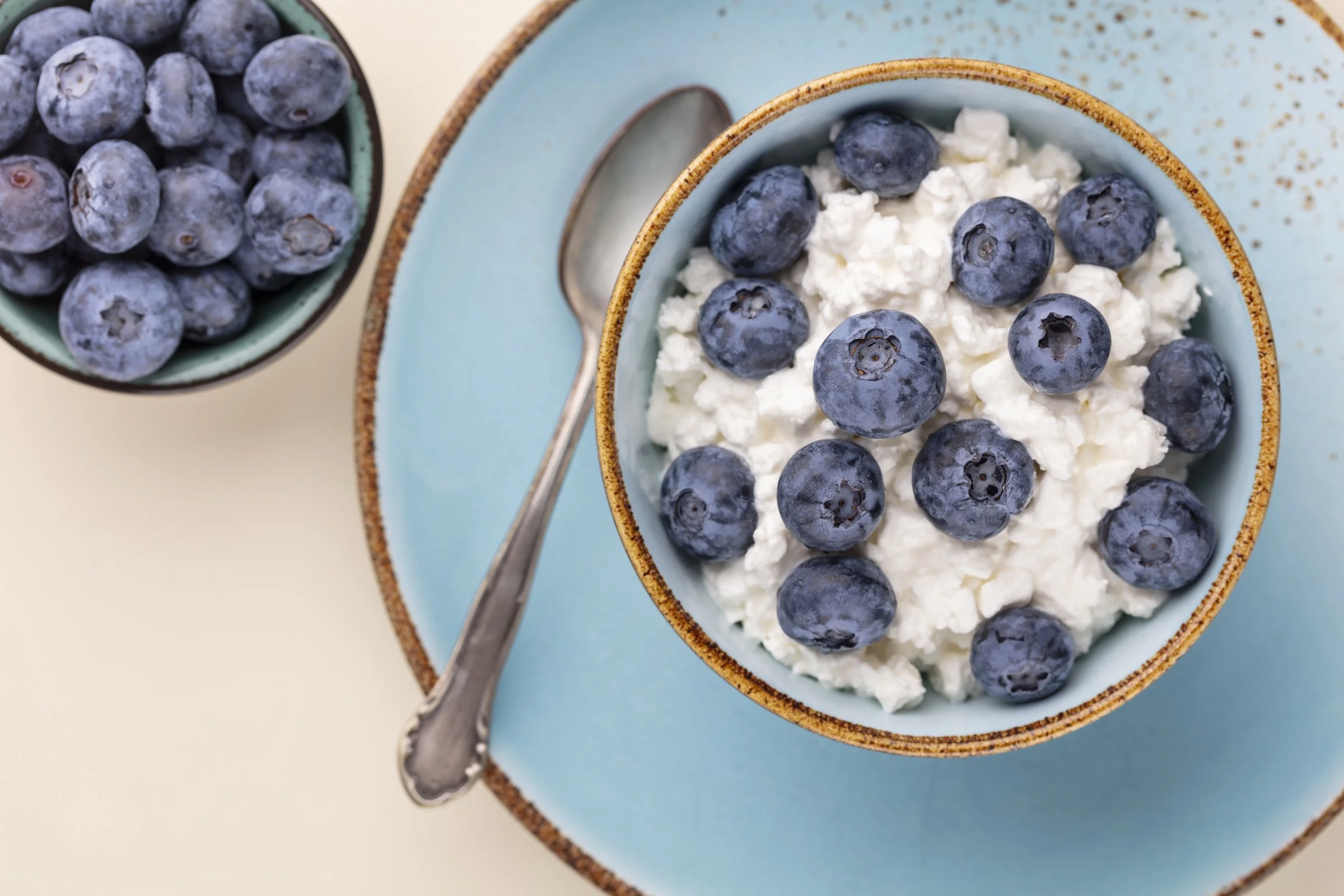
1. Cottage Cheese Power Bowl
~35–40 grams of protein
Ingredients:
1 cup low-fat cottage cheese (28g protein)
½ cup blueberries (0.5g protein)
1 tbsp peanut butter (4g protein)
Optional: chia seeds (2g protein)
Instructions:
Add everything to a bowl and enjoy.
Creamy, quick, and extremely satisfying — no cooking required.
2. High-Protein Smoothie
~30–40 grams of protein
Ingredients:
1 scoop whey or plant protein (20–25g protein)
½ cup Greek yogurt (10g protein)
½ cup berries or banana
1 cup almond milk or water
Optional: chia or flax seeds (2g protein)
Instructions:
Blend until smooth.
Perfect for busy mornings.
3. Egg White & Cottage Cheese Scramble
~35–40 grams of protein
Ingredients:
1 whole egg (6g protein)
1 cup egg whites (26g protein)
¼ cup low-fat cottage cheese (7g protein)
Veggies of choice
Instructions:
Sauté veggies, scramble in egg and egg whites, then fold in cottage cheese.
High protein, high volume, highly satisfying.
About DexaFit Nashua
DexaFit Nashua provides advanced health testing to help you optimize performance, longevity, and body composition. Located in Nashua, New Hampshire, we specialize in DEXA scans, VO2 Max testing, Resting Metabolic Rate (RMR) testing, and more. Our team is dedicated to helping clients get clear, science-based insights into their health, fitness, and fat loss goals.